
Polyaspartic Floor Coatings in Sarasota, FL
Polyaspartic is a fast-curing, UV-stable concrete coating that holds up especially well to Florida sun and heat — a strong option for garages, patios, and spaces that can't stay out of service long.
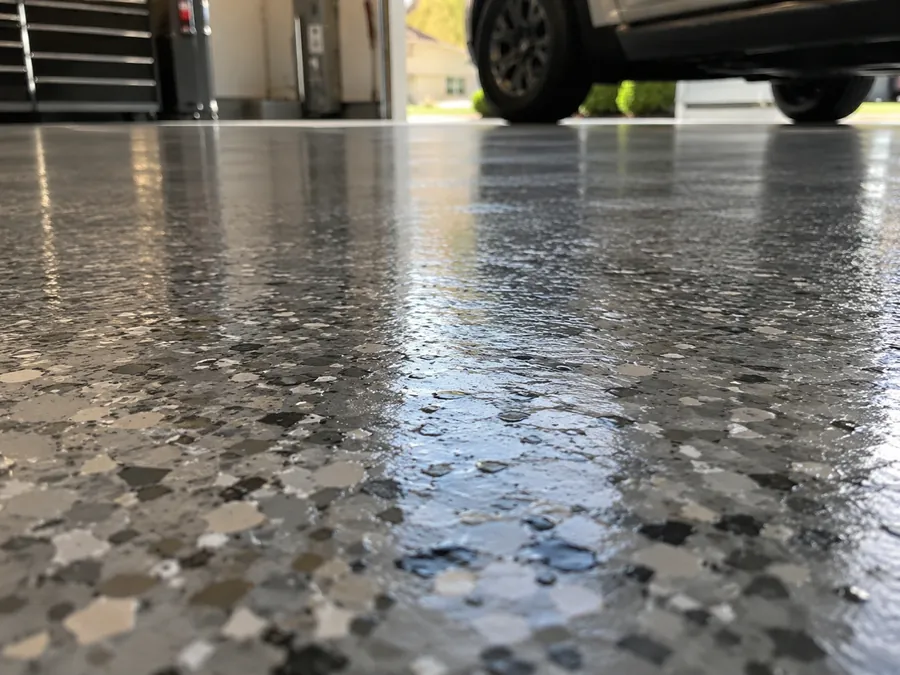
What Polyaspartic Coating Is
Polyaspartic is a polyurea-based coating chemistry applied to concrete much like epoxy, but with a chemical structure that cures far faster and resists UV breakdown significantly better. Where standard epoxy can take multiple days to fully cure, polyaspartic systems are often ready for light use within a day. That speed comes from a faster chemical reaction, which also means installers have less working time to apply it — a tradeoff that affects labor and pricing more than it affects the finished floor.
Where Polyaspartic Gets Used
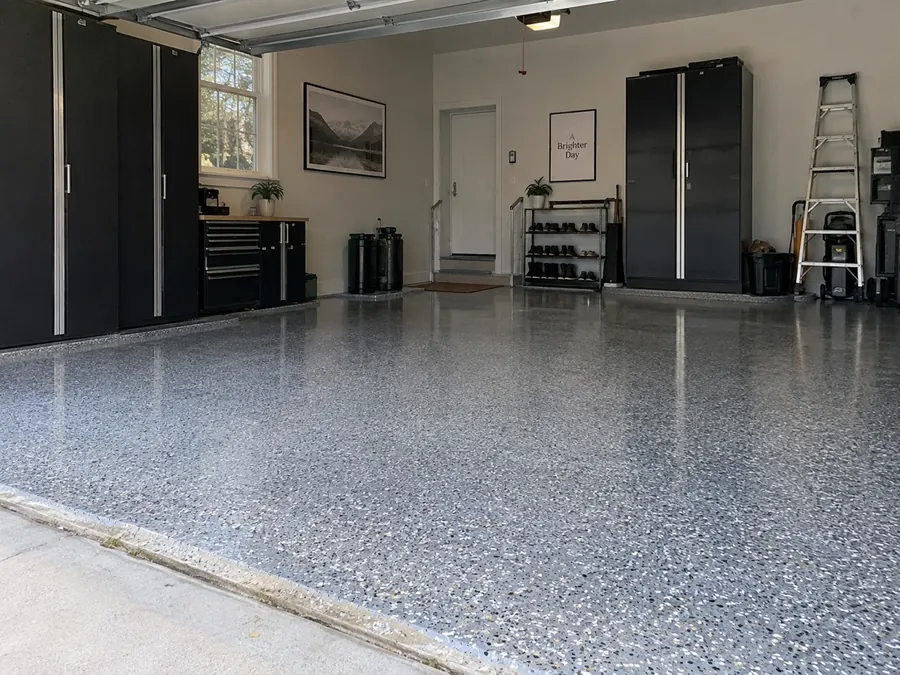
Garages
Faster turnaround and better hot tire pickup resistance make it a strong fit for daily-driver garages. See our garage floor coatings page.
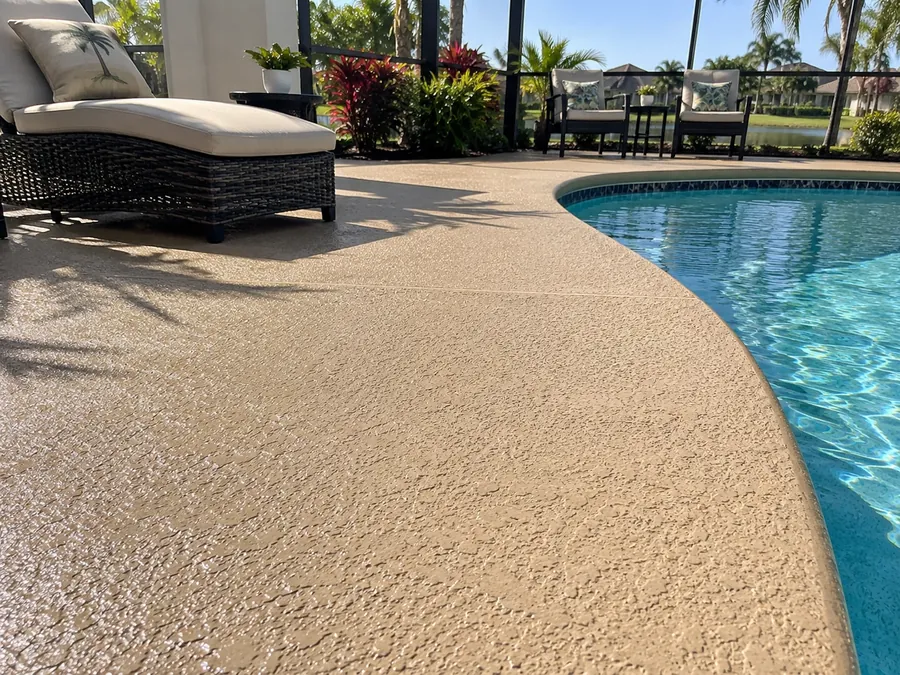
Outdoor & Covered Concrete
UV stability makes it a common choice for lanais, patios, and pool decks. See our pool deck coatings page.
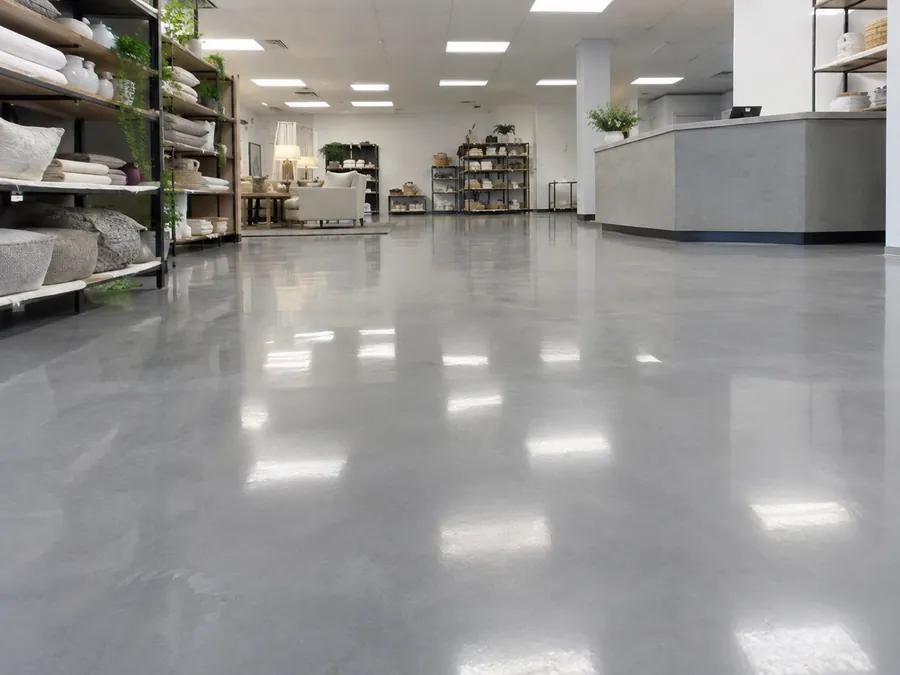
Commercial Floors
Fast cure time matters when a business can't afford extended downtime. See commercial epoxy flooring.
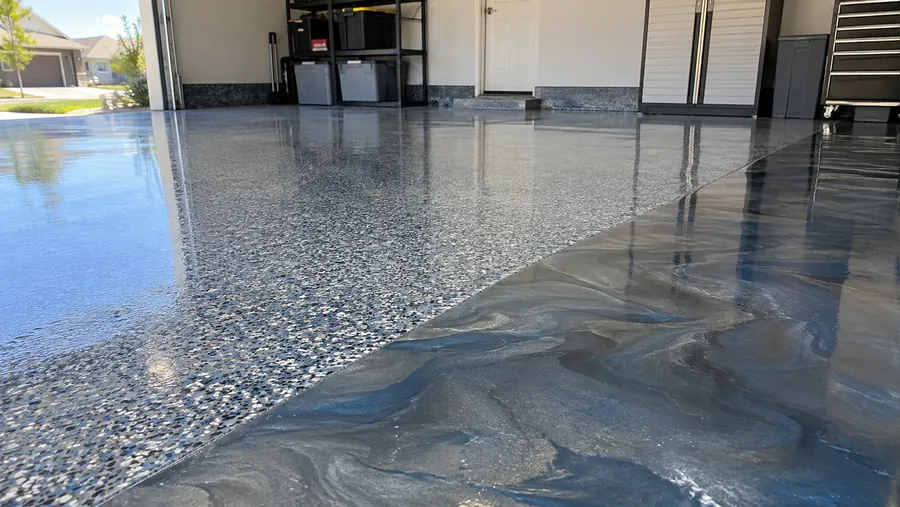
Decorative Flake Systems
Polyaspartic pairs with the same color flake blends used in epoxy systems for a similar decorative look with different performance characteristics.
Polyaspartic vs. Epoxy
| Factor | Polyaspartic | Epoxy |
|---|---|---|
| Cure speed | Fast — often usable within a day | Slower — typically multi-day cure |
| UV stability | Resists yellowing well, suited for sun exposure | Can amber/yellow with prolonged sun exposure |
| Hot tire pickup resistance | Better resistance | More vulnerable in hot, sun-facing garages |
| Application window | Shorter working time for installers | More flexible working time |
| Typical cost | Generally higher | Generally lower |
For a deeper breakdown, see our epoxy vs. polyaspartic guide.
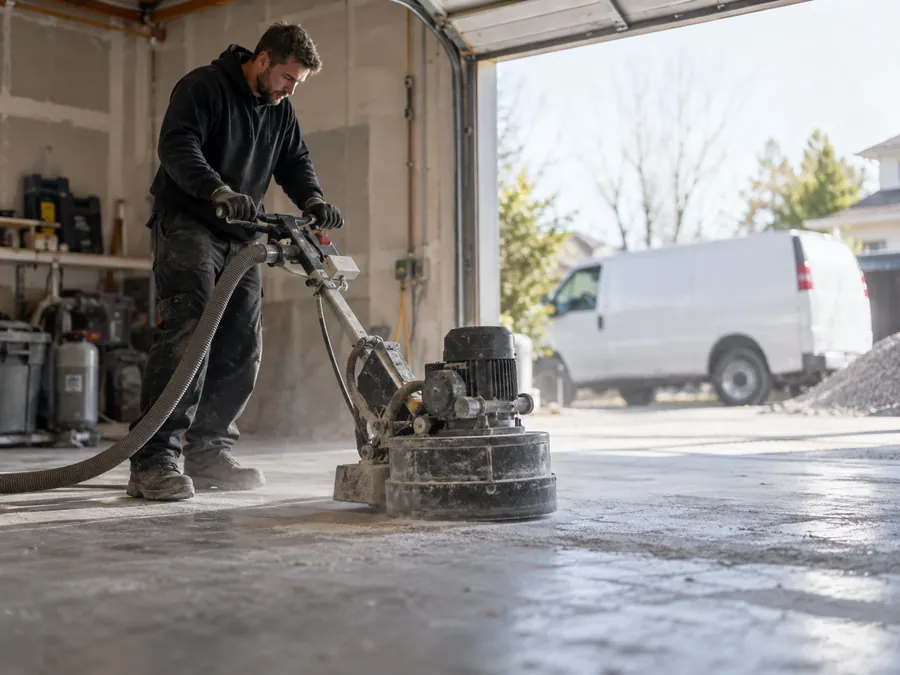
Preparation and Moisture Still Matter
Polyaspartic doesn't skip the fundamentals — the slab still needs to be ground, cleaned, and checked for moisture before coating. A fast-curing topcoat over a poorly prepared surface fails just as fast as a slow-curing one would. See our surface preparation page for what that process involves.
Polyaspartic typically costs more than standard epoxy per square foot, largely because of the specialty material and the faster, more skill-dependent application process. Whether the added cost is worth it usually comes down to how quickly you need the space back in use and how much sun exposure it gets. See our cost guide for the full set of factors that affect any coating project's price.
Frequently Asked Questions
What is polyaspartic coating?
Is polyaspartic better than epoxy?
Can polyaspartic be used outdoors?
How long does polyaspartic take to cure?
Does polyaspartic cost more than epoxy?
Considering Polyaspartic for Your Floor?
We'll help you weigh it against epoxy for your specific space.